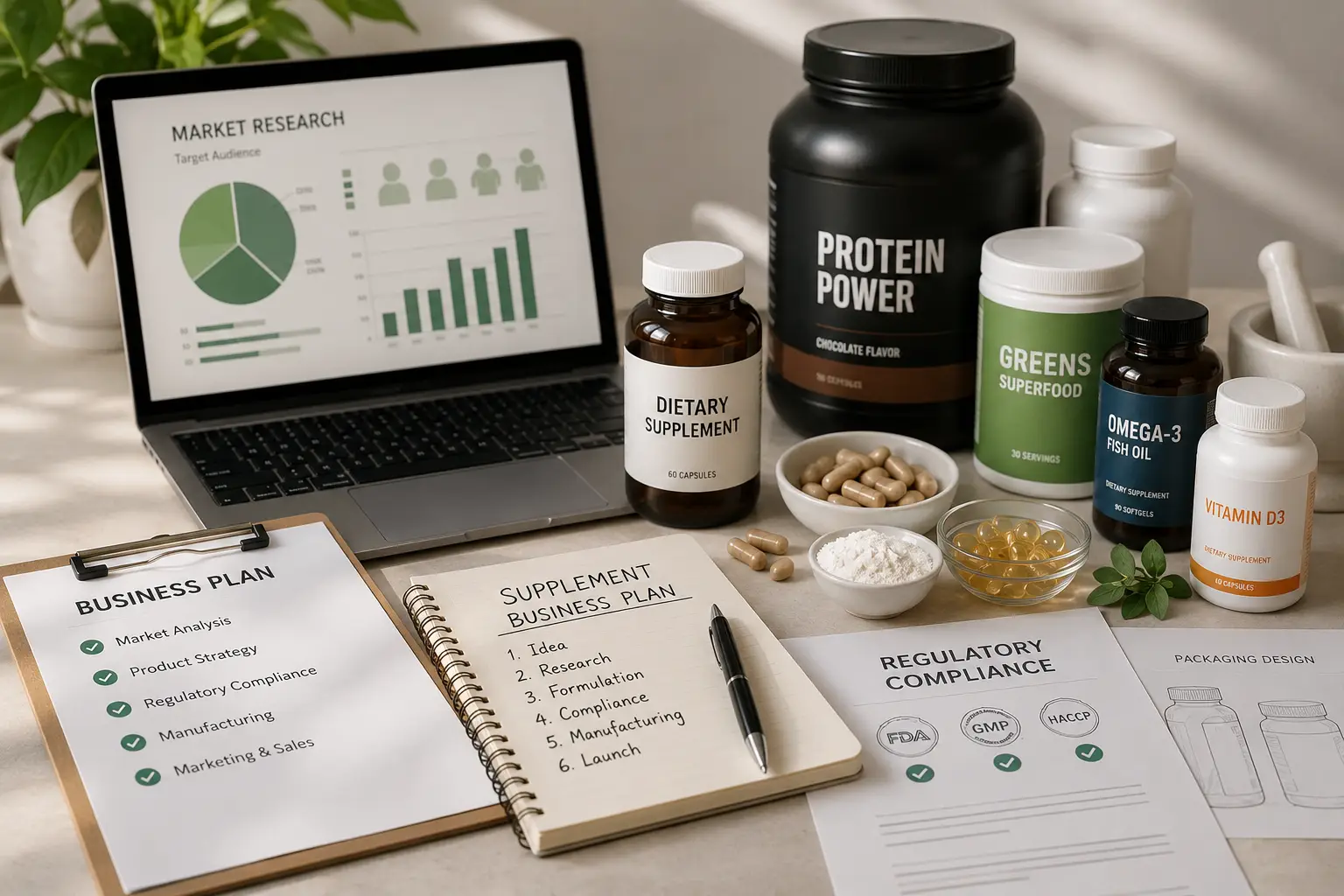

Many private label brands want to enter the herbal supplement market, but face uncertainty around ingredient selection and formulation design. Choosing the wrong plant extract or capsule strategy can lead to weak efficacy, stability issues, or poor market acceptance. At the same time, competition is increasing as more brands launch similar herbal products. Herbal extract capsules continue to grow because they combine traditional plant knowledge with modern manufacturing control. Understanding which plants are most popular and how to formulate them correctly helps U reduce risk and build products that perform well in global markets.
Herbal extract capsules are popular because they deliver concentrated plant actives in a stable, easy-to-dose format. Capsules protect sensitive compounds, support clean-label positioning, and allow flexible formulation strategies. In 2025, demand is driven by interest in natural wellness, preventive health, and plant-based supplements. For private label brands, herbal extract capsules offer scalable products with strong consumer recognition.
This growth follows clear patterns in both ingredient demand and formulation choices. To succeed, U need to understand the plants consumers want and the strategies manufacturers use to deliver them effectively.
What Are Herbal Extract Capsules?
Herbal extract capsules are supplements that use concentrated plant extracts instead of whole herbs. This approach allows manufacturers to control potency and consistency. For brands, extracts offer more precise dosing and easier quality management than raw plant powders.
Herbal extract capsules contain concentrated plant actives that deliver consistent strength and predictable performance.
Extracts are produced by removing active compounds from plants using water or solvents. The extract is then dried into a powder suitable for capsule filling.
| Element | Role |
|---|---|
| Raw herb | Source material |
| Extraction process | Concentrates actives |
| Standardization | Ensures consistency |
This process allows brands to claim specific active levels and improve product reliability.
- Extracts offer higher consistency than raw herbs.
- Standardization improves quality control.
Which Herbal Extracts Are Most Popular Today?
Popularity in herbal supplements is driven by familiarity and perceived benefit. Certain plants have gained strong global recognition and stable demand. These herbs appear repeatedly across different markets and product categories.
A small group of herbs dominates global capsule demand.
Frequently used herbal extracts include turmeric, ginseng, milk thistle, ashwagandha, and green tea.
| Herbal Extract | Common Positioning |
|---|---|
| Turmeric | Inflammation balance |
| Ginseng | Energy support |
| Milk thistle | Liver support |
| Ashwagandha | Stress balance |
| Green tea | Antioxidant support |
These plants benefit from strong consumer awareness and long-term demand.
- Familiar herbs reduce education cost.
- Proven plants support repeat sales.
Why Are Capsules Ideal for Herbal Extracts?
Herbal extracts often contain sensitive compounds that degrade easily. The dosage form must protect these actives while remaining easy to use. Capsules meet both requirements.
Capsules protect herbal actives and support accurate dosing.
Capsules shield extracts from light and moisture. They also mask strong tastes and odors. Compared with tablets, capsules require less compression force, which reduces ingredient damage.
| Format | Suitability |
|---|---|
| Tablets | Moderate |
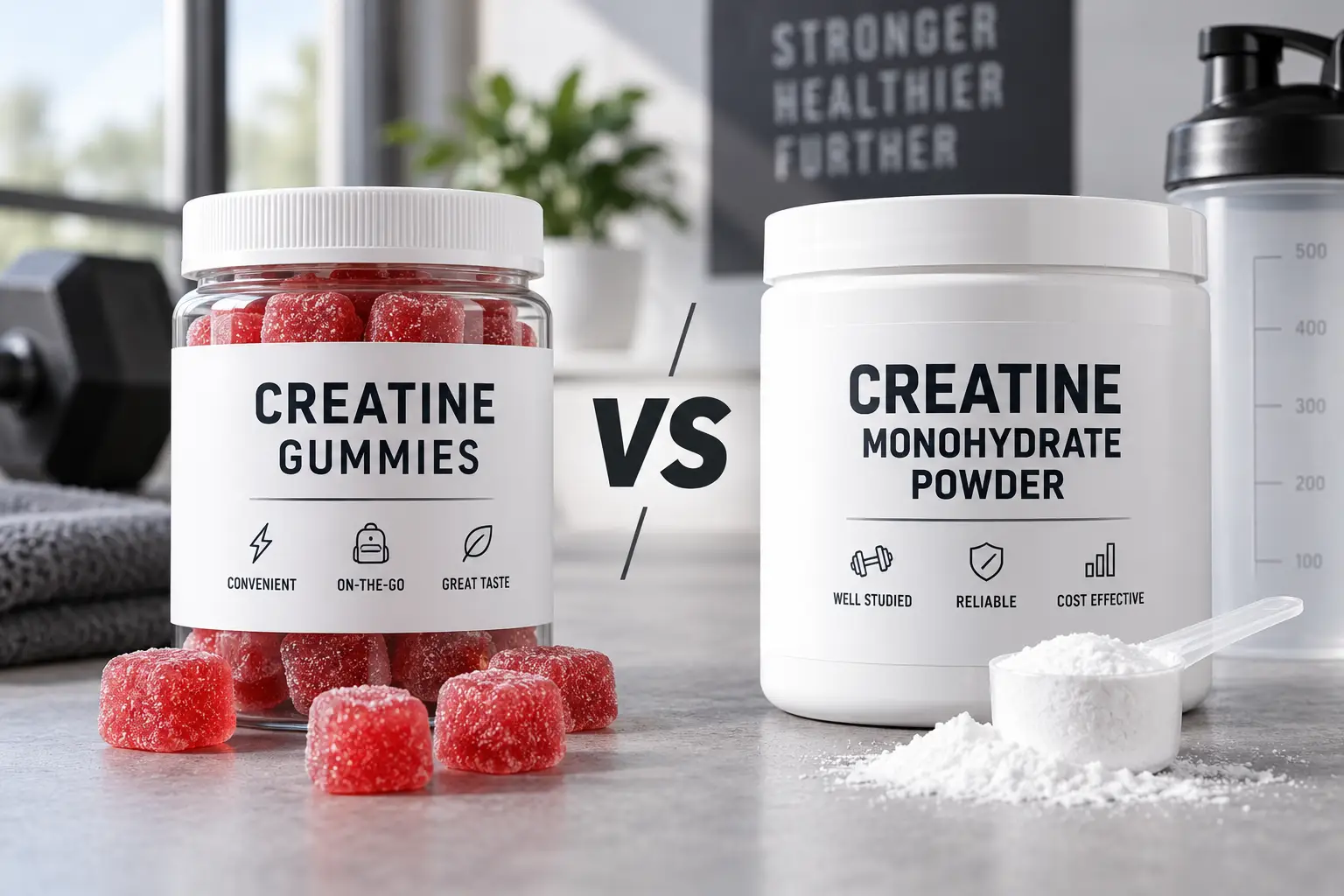
| Gummies | Low |
| Capsules | High |
- Capsules improve ingredient protection.
- Capsules preserve extract integrity.
What Formulation Challenges Do Herbal Extracts Present?
Not all herbal extracts behave the same way in production. Some absorb moisture, while others flow poorly. These factors affect filling accuracy and stability.
Herbal extracts require careful formulation planning.
Formulators must manage flowability, moisture content, and compatibility with excipients.
| Challenge | Solution |
|---|---|
| Poor flow | Use suitable excipients |
| Moisture sensitivity | Choose capsule material carefully |
| Dose variation | Adjust particle size |
Good formulation design reduces defects and improves shelf life.
- Formulation affects stability.
- Excipients improve manufacturability.
How Do Capsule Materials Affect Herbal Products?
Capsule shell material plays a key role in herbal product performance. It affects stability, dietary positioning, and export acceptance.
Capsule material influences market access and shelf life.
Gelatin capsules offer cost efficiency and fast filling. HPMC capsules provide better moisture resistance and vegetarian positioning.
| Capsule Type | Key Benefit |
|---|---|
| Gelatin | Cost efficiency |
| HPMC | Stability and clean-label |
- Capsule choice impacts stability.
- Material supports brand positioning.
How Can Private Label Brands Build Competitive Herbal Capsules?
Competition in herbal supplements requires clear strategy. Brands must balance cost, quality, and differentiation.
Strong strategy leads to sustainable herbal products.
Successful brands select proven herbs, use standardized extracts, and work with experienced capsule manufacturers. Offering multiple SKUs improves reach.
- Strategy drives competitiveness.
- Manufacturing expertise reduces risk.
Conclusion
Herbal extract capsules remain a strong growth category because they combine natural ingredients with modern formulation control. Popular plants provide familiarity, while capsules deliver stability and dosing accuracy. For private label brands, success depends on smart ingredient selection, capsule material choice, and scalable manufacturing support.
U need a manufacturing partner who understands herbal extract behavior and capsule formulation. Our factory specializes in hard capsule production for botanical extracts, with flexible options in gelatin and HPMC. U gain stable quality, export-ready compliance, and OEM solutions designed to support long-term growth.